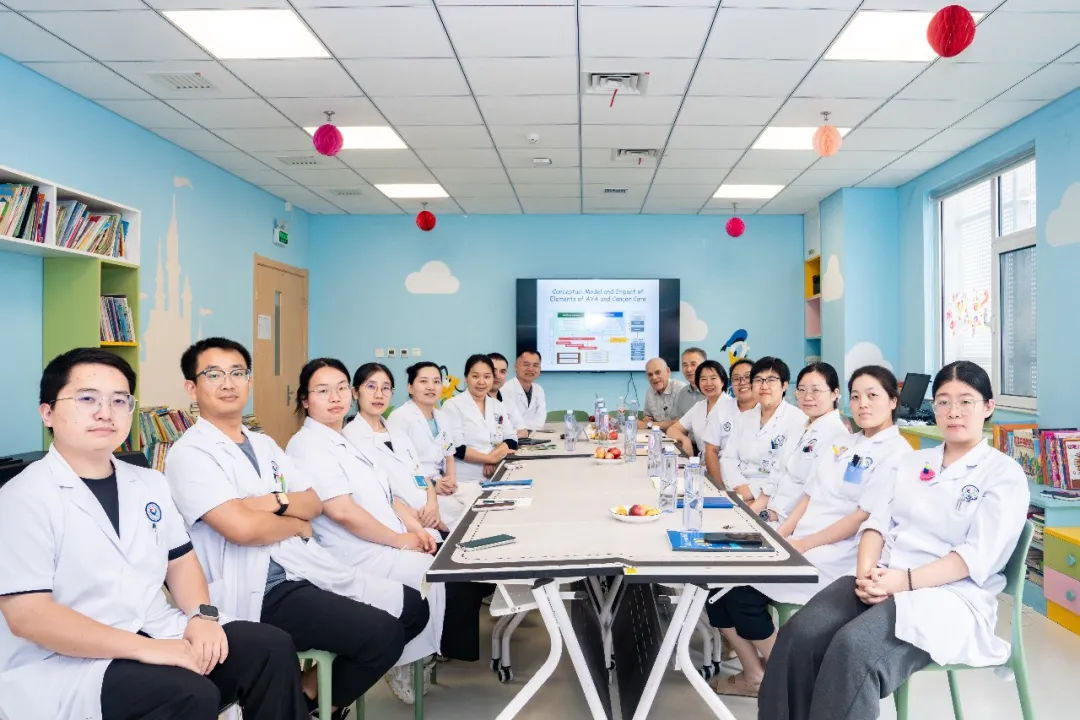
A Race Against Time
The child arrived at the hospital 2 hours after swallowing the lollipop stick. A plastic stick of this length and stiffness can cause serious injury if it perforates or obstructs the digestive tract, so rapid, coordinated action was essential.
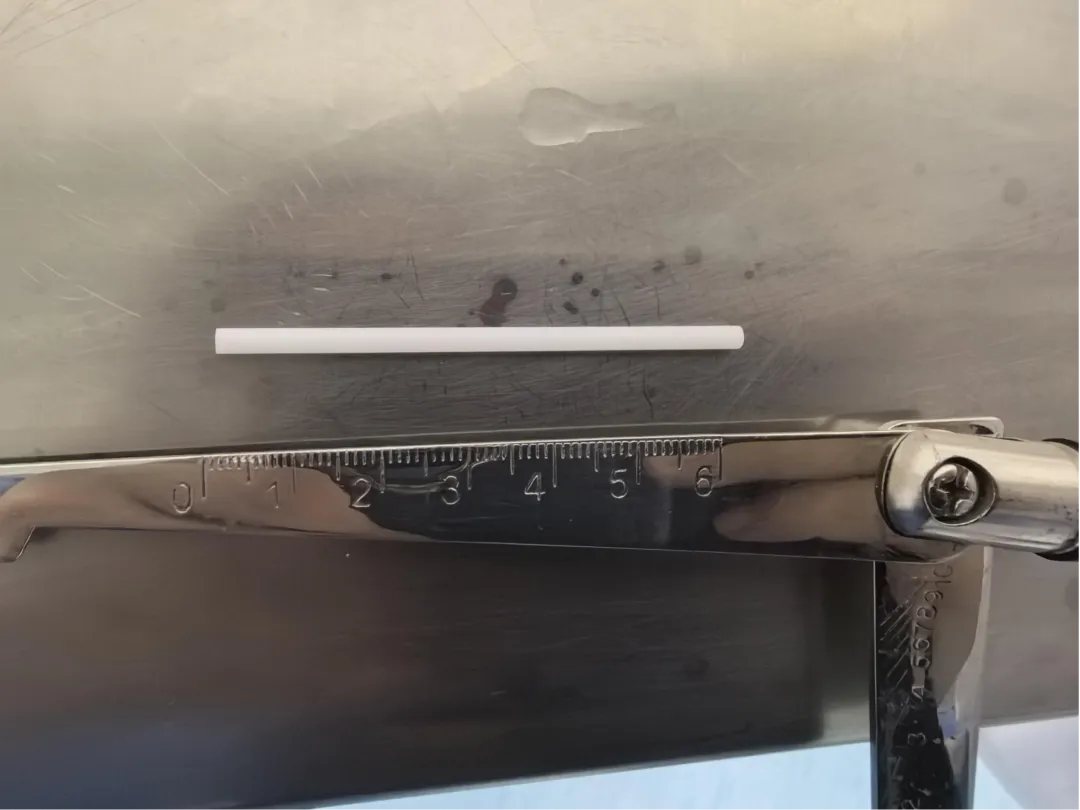
The removed plastic lollipop stick measured 6 cm in length.
Comfortable Pediatric Gastroscopy
The procedure used "comfortable gastroscopy" — a sedation-supported endoscopic approach designed specifically for children. After a thorough pre-procedure evaluation by an experienced pediatric anesthesiologist, a small dose of intravenous sedative and analgesic is given. The child sleeps through the entire examination while vital signs are continuously monitored, allowing the endoscopist to work safely and with precision.
Because the child feels no pain or anxiety, there is no involuntary movement that could cause mechanical injury. This makes the technique especially valuable for young, fearful, or medically complex patients.
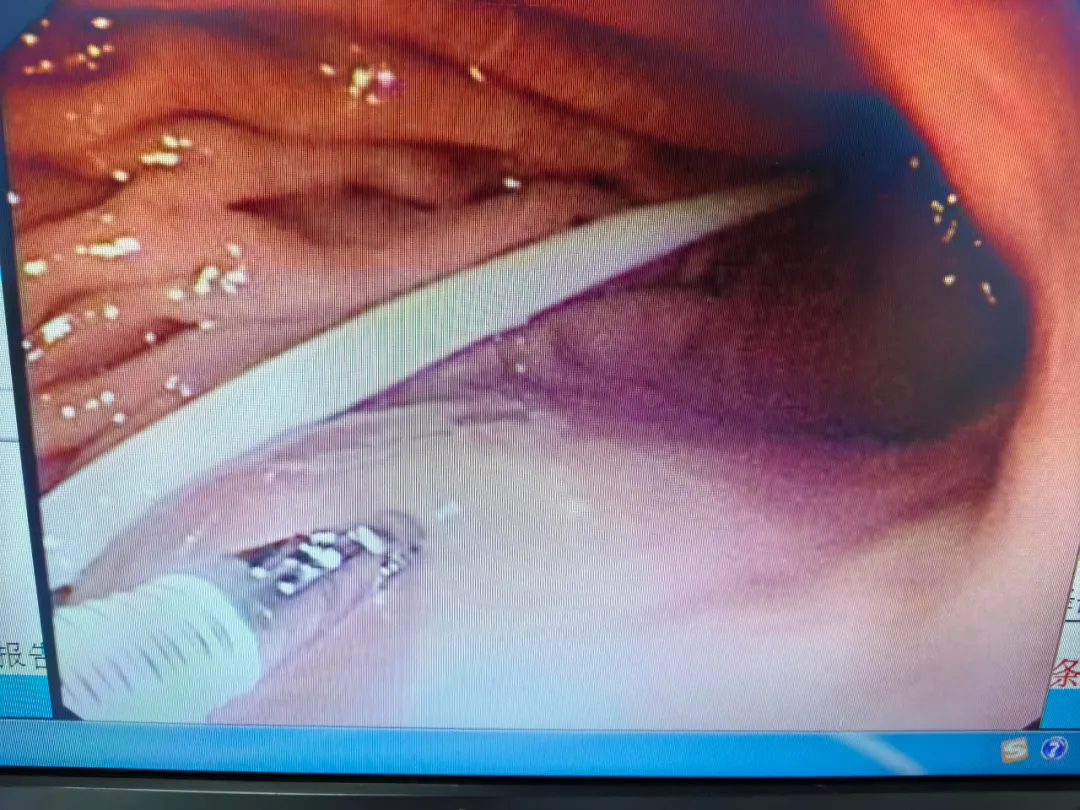
The multidisciplinary team performing comfortable gastroscopy to remove the foreign body.
A Team Effort
The successful rescue reflected close collaboration between the Gastroenterology Department, led by Dr. Ye Qing, and the Anesthesiology team. From rapid assessment to sedation, endoscopic removal, and post-procedure monitoring, every step was coordinated to protect the child's safety and comfort.
The family expressed their sincere gratitude with flowers after discharge.
When to Seek Emergency Care
Not all swallowed objects pass safely. Parents should seek urgent medical attention if a child swallows any of the following:
- Batteries: Especially button batteries, which can cause chemical burns within 2 hours.
- Magnetic objects: Multiple magnets can trap bowel walls and cause perforation.
- Sharp items: Scissors, needles, toothpicks, or similar objects can pierce the digestive tract.
- Long or large objects: Anything longer than 5 cm (e.g., plastic sticks, toothbrush handles) or wider than 2.5 cm (e.g., large coins).
- Impacted objects: Anything stuck in the esophagus or stomach for more than 24 hours.
Prevention Tips
Keep young children seated and calm while eating. Avoid giving them whole nuts, grapes, cherries, hard candies, jelly, mochi, or other foods that can block the airway. Do not feed a child while they are crying, running, or playing. If swallowing or choking occurs, do not induce vomiting, give food or water, or pat the back blindly. Seek emergency care immediately and keep the child as still as possible on the way to hospital.
About the Pediatric Gastroenterology Team
Dr. Ye Qing
Chief Physician, Academic Vice President, Director of International Department & Gastroenterology
Board member of the Children's Digestive Disease Committee of the China Primary Health Care Foundation; member of the Beijing Changping Medical Association Pediatrics Branch; member of the Chinese Non-Government Medical Institutions Association Microecology Medical Branch. Graduate of Harbin Medical University with nearly 30 years of pediatric clinical experience, specializing in digestive and cardiovascular diseases. Expert in pediatric digestive endoscopy and fecal microbiota transplantation.
Dr. Li Jing
Deputy Director, Gastroenterology Department
More than 10 years of pediatric experience at a top tertiary hospital, with advanced training at Beijing Children's Hospital and Beijing Shijitan Hospital. Specializes in pediatric digestive diseases, chronic diarrhea, constipation, bloody stools, cow's milk protein allergy, lactose intolerance, H. pylori infection, gastritis, peptic ulcer disease, and gastroesophageal reflux.
The Gastroenterology Department at Beijing Jingdu Children's Hospital provides comprehensive, child-centered care for common, rare, and critical digestive conditions, including inflammatory bowel disease and cyclic vomiting syndrome clinics, 24-hour esophageal pH monitoring, comfortable diagnostic and therapeutic endoscopy, and fecal microbiota transplantation.
← Back to News