The Little Drum King
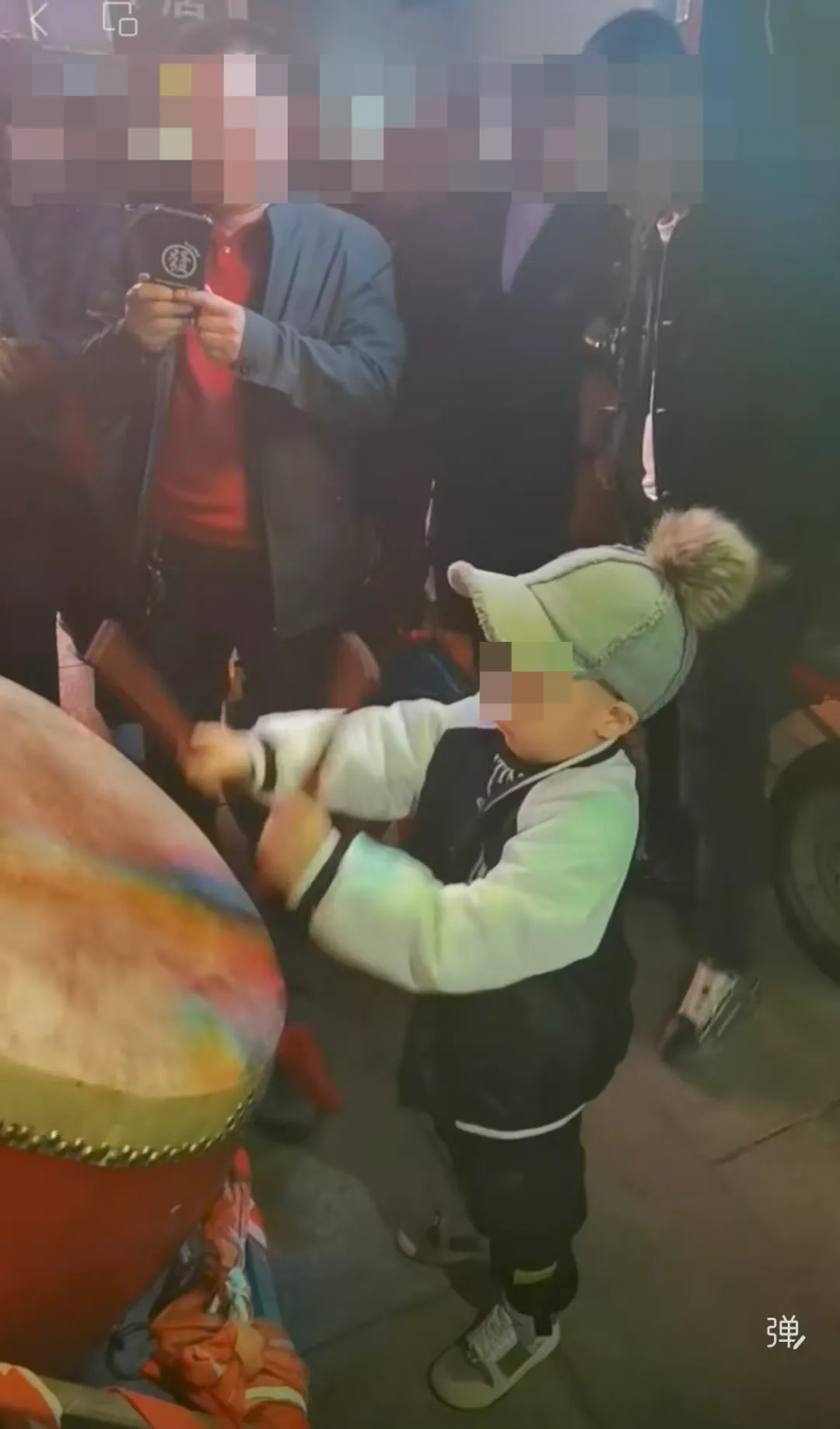
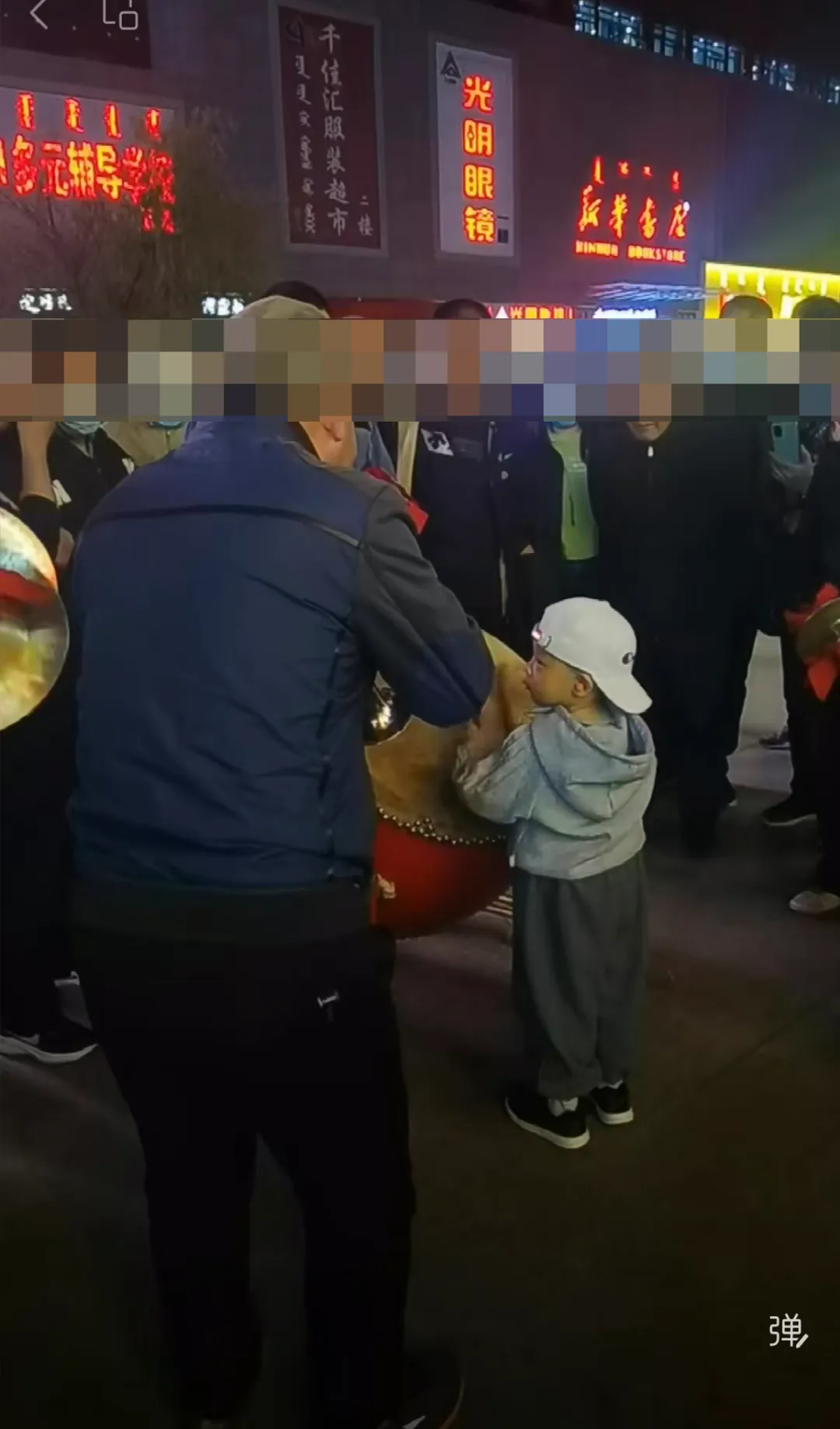
Tongtong (pseudonym) was born in 2017 in Chifeng, Inner Mongolia. Even before his second birthday, he could follow music with crisp, confident drumbeats. His family uploaded a video online, and soon relatives and friends were calling him the "Little Drum King."
But behind the rhythm was a silent battle no one saw. From just 8 days old, Tongtong had suffered from gastrointestinal bleeding, dangerously low platelet counts, and recurrent bleeding spots under his skin. Doctors eventually diagnosed him with Wiskott-Aldrich Syndrome (WAS) — a rare X-linked primary immunodeficiency characterized by eczema, thrombocytopenia, and recurrent infections.
For nine years, Tongtong's body was like a balloon with a slow leak. He survived on regular platelet and red blood cell transfusions, shuttling between hospitals in Shenyang, Suzhou, and Beijing. He could play the drums, yes — but he lived most of his life inside hospital wards.
When Lymph Nodes Exploded
At the end of 2024, everything changed.
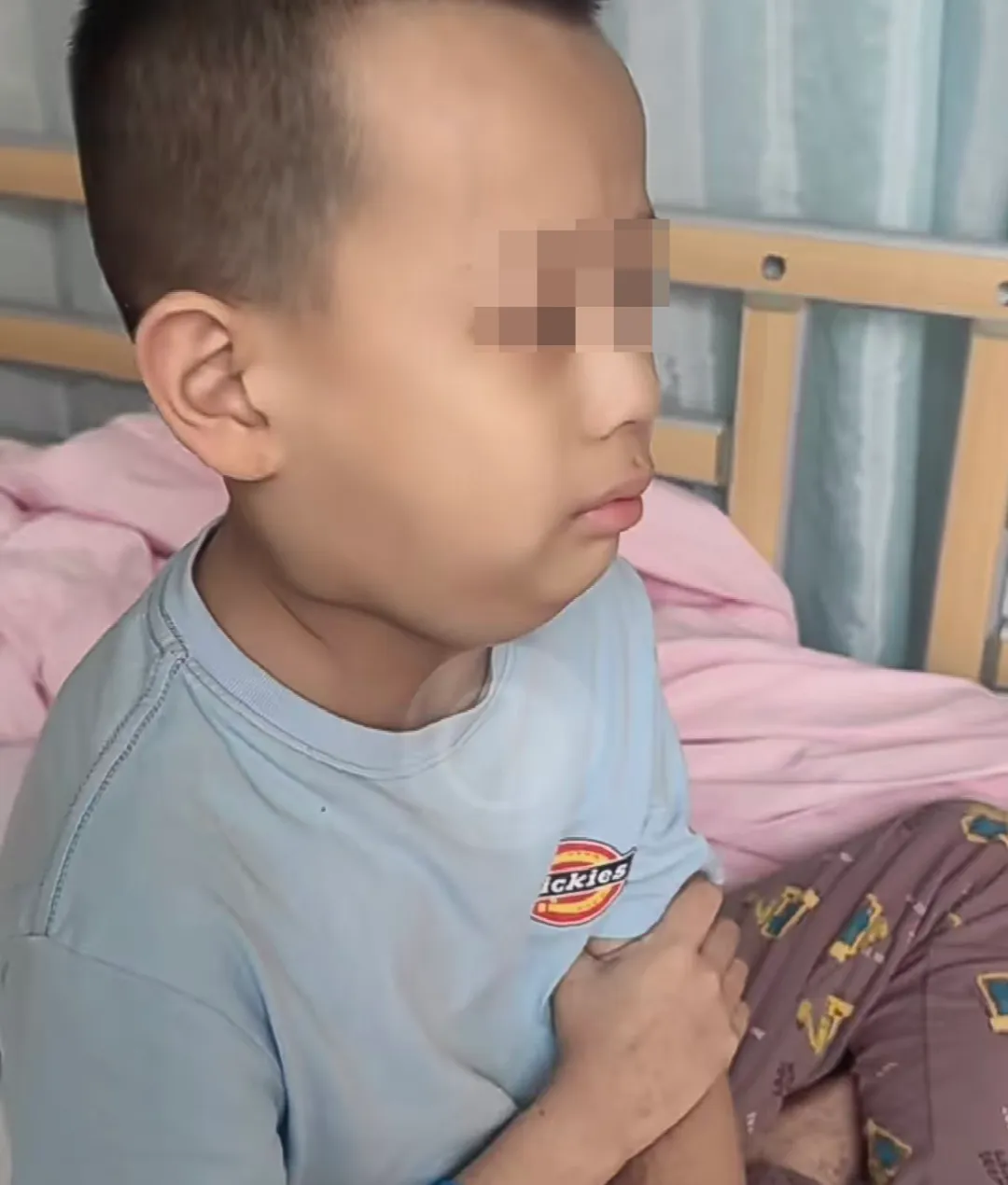
After a high fever, Tongtong's left cervical lymph node began to swell — three, then four centimeters, accompanied by intense pain. Within months, lymph nodes throughout his body — bilateral neck, armpits, abdomen — erupted. Dozens of them. The largest measured over 8 centimeters in diameter. His face became so swollen he was almost unrecognizable.
"Every day was fever. C-reactive protein stayed above 200. We tried over ten different anti-infection drugs, and nothing worked," his mother recalled.
The family visited multiple renowned hospitals. They spent over 100,000 yuan. The answers were the same: "too complex to operate," "no viable treatment plan." One doctor gently suggested there might be nothing more they could do.
Then a fellow patient's family member from their hometown said: "Go to Beijing Jingdu Children's Hospital. Find Dr. Chen Jiao. She specializes in rare diseases."
A Multi-Disciplinary War Room
"Actually, I met Dr. Chen last year," Tongtong's mother admitted. "I brought her the medical records. She spent over two hours walking me through every detail of the treatment plan. I understood everything. But back then, I still wanted to try public hospitals first."
Six months of fruitless searching later, at the end of February 2026, the family made their final decision. They checked into Beijing Jingdu Children's Hospital.
Under the leadership of Prof. Sun Yuan (President) and Dr. Liu Zhouyang (Director), Dr. Chen Jiao's team conducted a comprehensive evaluation. The situation was more severe than anticipated: the sheer number and size of infected lymph nodes posed an extreme risk. A disseminated BCG infection with purulent necrosis was the primary concern.
After repeated consultations with tuberculosis specialists, the team adjusted anti-infection protocols multiple times — but the fever and lymph node swelling persisted. "We couldn't proceed to transplant with this many large, infected lymph nodes," Dr. Chen explained. "If the infection disseminated further during conditioning chemotherapy, the consequences would be catastrophic. We also couldn't rule out a rare lymphoma."
The decision was made: surgically remove the largest lymph nodes, reduce the infectious burden, and obtain pathology — all before transplantation.
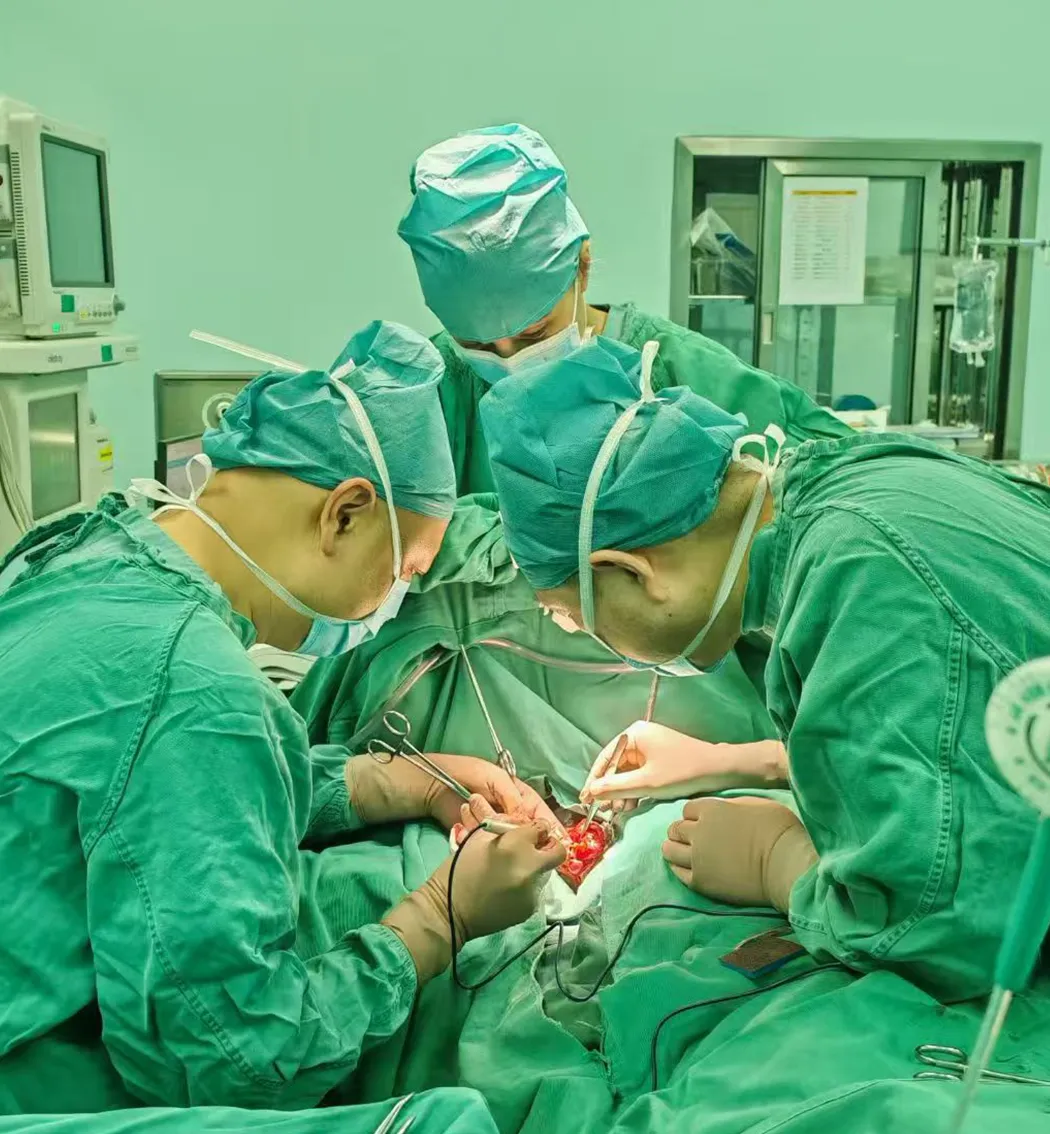
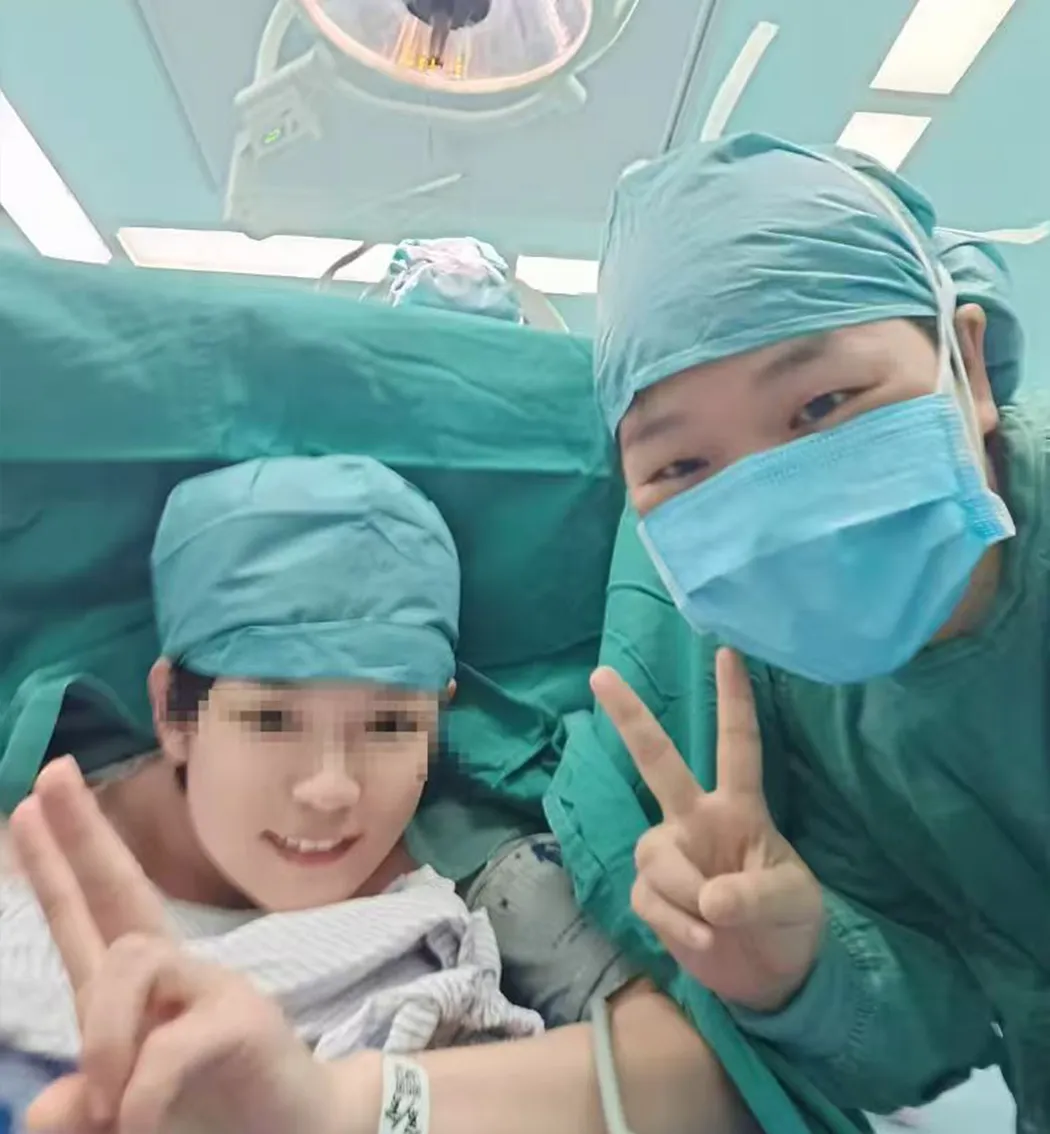
The surgery — a quiet solo without drumbeats — lasted several hours under the hands of the hematology-oncology, pediatric surgery, and anesthesiology teams
But Tongtong's case was anything but routine. His weakened state, anemia, and history of long-term transfusions with antibody development made anesthesia and surgery exceptionally dangerous. "For a typical child, lymph node removal is straightforward. But Tongtong's nodes were infected, adhered to blood vessels and nerves. The anesthesiologist saw his bloodwork and told us he wasn't sure he could safely put him under," Dr. Chen recalled.
On March 20, 2026, a special joint operation began.
Anesthesiologist Dr. Liu Zhenze managed the critical sedation. Pediatric surgeon Prof. Huang Liuming led the scalpel, assisted by Dr. Sun Sentao. Dr. Chen Jiao and the ward physician coordinated bedside. The hematology-oncology, pediatric surgery, and anesthesiology departments — all in the same room, fighting for one boy.
Two full basins of lymph node tissue were removed from both armpits. The largest measured 8.6 centimeters — roughly the size of a small fist.
Ten days post-surgery, the drainage tube was removed. Tongtong's wound healed well. For the first time, his body temperature returned to normal, and his CRP dropped significantly. Then came the pathology report: No lymphoma.
Everyone exhaled. The Little Drum King finally had a clear path to transplant.
A Mother's Burden, A Mother's Gift
With the "minefield" cleared, transplant planning began. But finding a donor hit another wall: Tongtong's father was medically unfit to donate. A 9/10 match from the bone marrow registry declined. No suitable cord blood units were available. The only option left was his mother — with a history of multiple pregnancies and older age, carrying a higher risk of graft-versus-host disease.
"Honestly, I was deeply worried," Dr. Chen admitted. "But there was simply no other choice."
Dr. Chen Jiao collecting peripheral blood stem cells from Tongtong's mother — seeds of life, and the deepest protection a mother could give
April 27, 2026 — Tongtong entered the transplant unit for conditioning. To everyone's surprise, the chemotherapy actually improved his condition. Residual lymph nodes shrank. CRP normalized. His energy returned.
May 6 — Mother's bone marrow stem cells were infused.
May 7 — A unit of cord blood from the Beijing Cord Blood Bank was added as "reinforcement insurance," followed by mother's peripheral blood stem cells.
Day +10: Neutrophil engraftment achieved. Platelet engraftment confirmed. The first rays of dawn.
"We hit a bump: hematuria. Post-transplant hemorrhagic cystitis. Prof. Sun Yuan, Dr. Liu Zhouyang, and our team meticulously investigated every possibility. We discovered Tongtong was intolerant to cyclosporine. Once we adjusted the immunosuppression, the cystitis resolved within a week. Precision medicine — fast, accurate, steady."
His mother reflected with deep emotion: "They found the right target and hit it. Fast, precise, steady. That's everything."
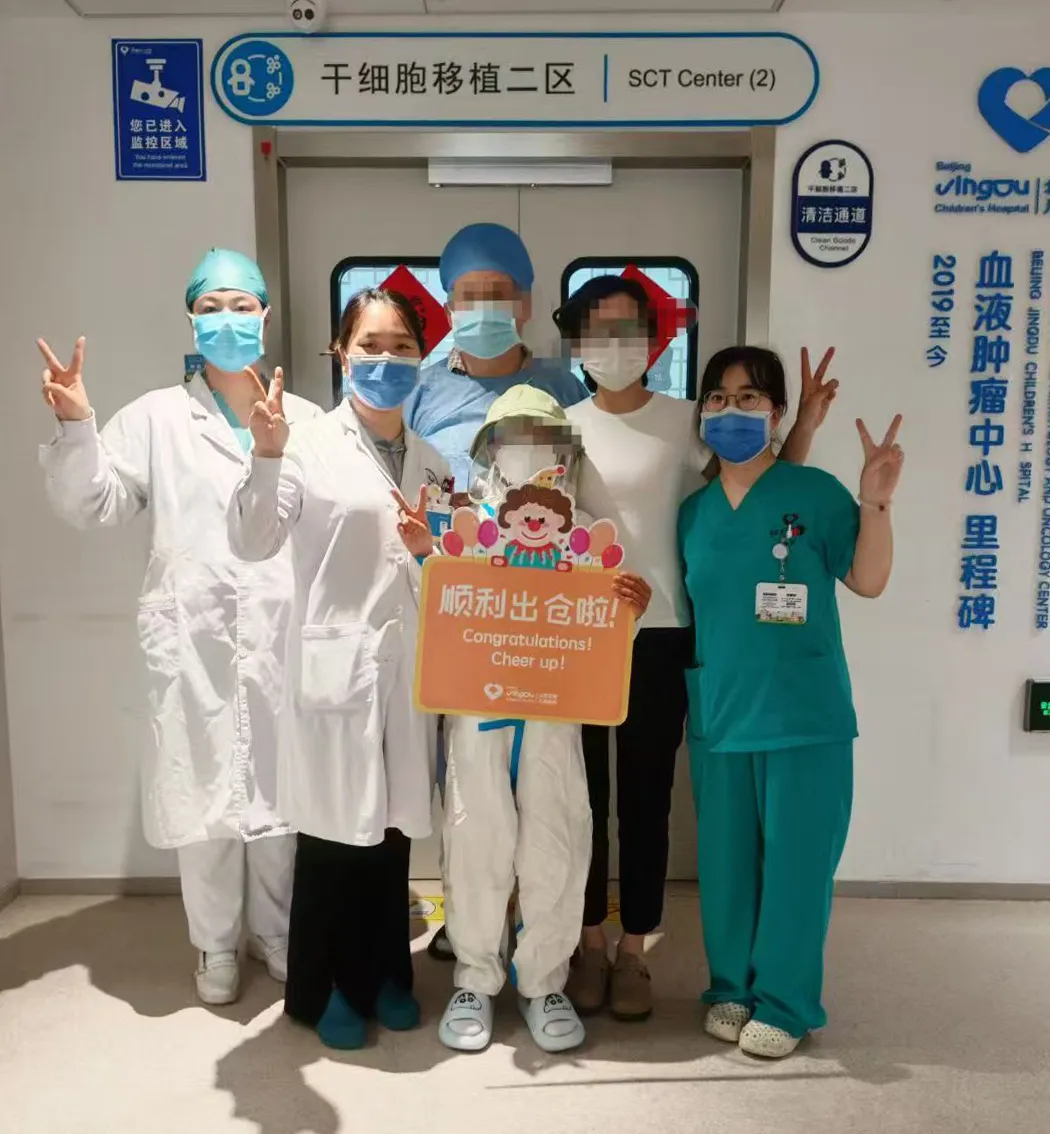
Day +31 post-transplant: Tongtong walks out of the transplant unit. This time, he beat the drum of victory for himself.
A New Rhythm
June 11, 2026. Tongtong was discharged.
Donor chimerism: 99.99%. His mother's cells had fully taken root. All physical parameters normalized. No recurrent lymph nodes. Normal temperature. Consistently negative CRP.
At discharge, the family presented a plaque overflowing with gratitude — the best reward for the medical team, and the beginning of Tongtong's new life
From day 8 of life to age 9, Tongtong fought a nine-year battle for survival. The child whose face was once swollen beyond recognition, burning with fever, dismissed by one doctor after another — now sits before his drum set, gripping the drumsticks, ready to play a brand-new rhythm.
"Dr. Chen is so incredibly responsible. Every time I asked a question, she replied instantly. She stayed with my child throughout the entire surgery, and even sent me photos to put my heart at ease. My son has completely transformed. He used to barely speak — now he laughs all the time, and keeps saying he wants to play the drums for Auntie Chen. She gave him a second life."
"His father told me he used to be the 'Little Drum King.' I said: wait until you're cured, and then play for us. That's when you'll truly be the Little Drum King."
The Little Drum King, drumsticks in hand, ready to play the rhythm of a new life
Tongtong's story is a testament to a child's resilience, a mother's courage, and a team's unwavering commitment. From Prof. Sun Yuan and Dr. Liu Zhouyang to Dr. Chen Jiao; from anesthesiologist Dr. Liu Zhenze and surgeons Prof. Huang Liuming and Dr. Sun Sentao, to every nurse and staff member — each person played their role in this symphony of healing.
Rare diseases deserve uncommon medicine. When every door seems closed, there may still be one hospital, one doctor, willing to fight with everything they have — for you.