Meet Our Hematology Team
Thirteen specialists — including two professors based at international children's hospitals — care for every child in the department.
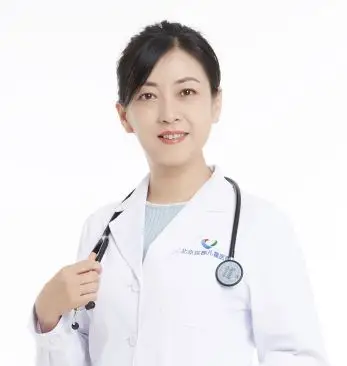
Sun Yuan
Hospital Director · Head of Hematology-Oncology
Haploidentical transplantation and HLH
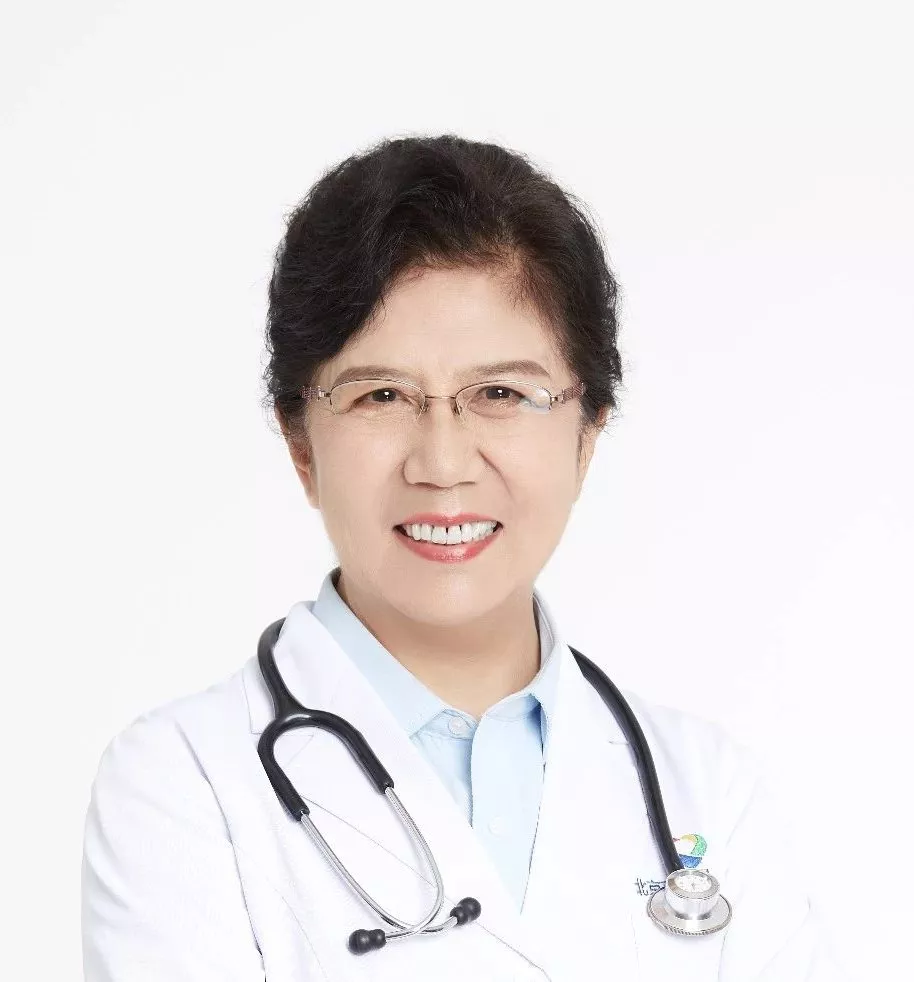
Wu Minyuan
Chief Expert · Professor
Childhood leukemia treatment protocols
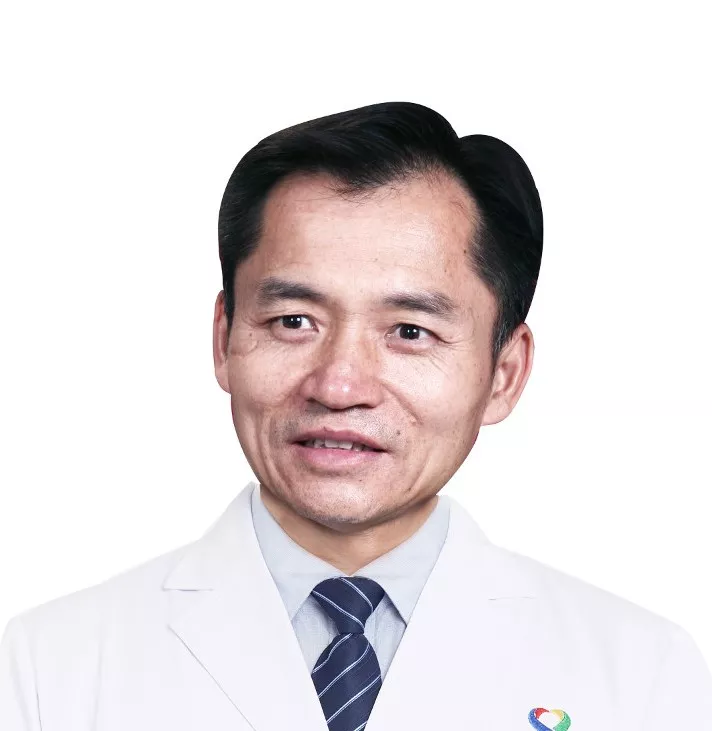
Wu Nanhai
Deputy Head, Hematology-Oncology
MDS, HLH and congenital neutropenia transplants
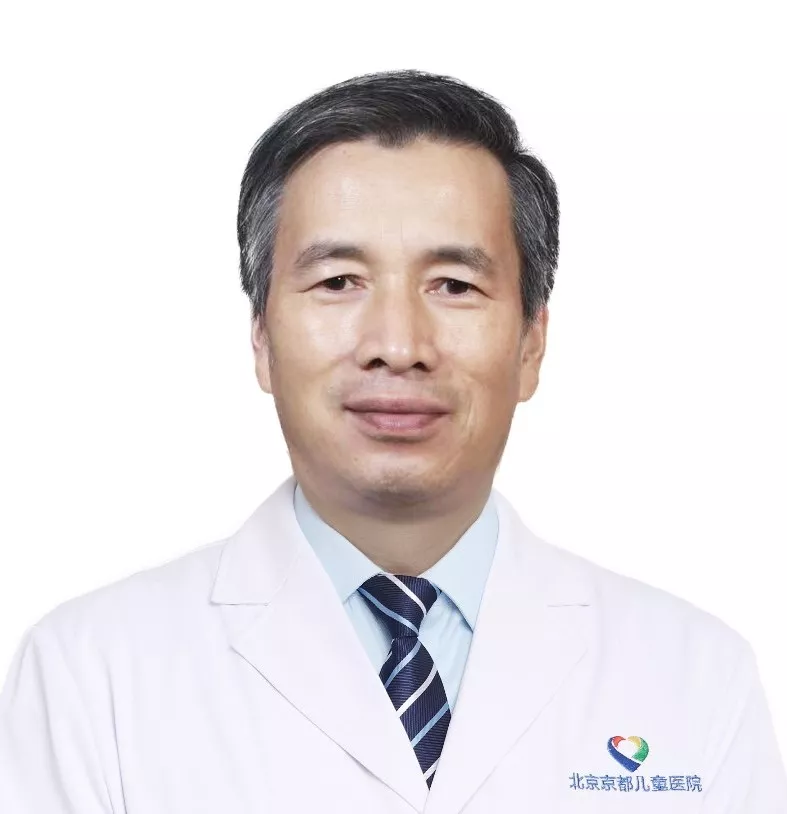
Tang Suoqin
Invited Expert · Professor
Blood diseases and solid tumours
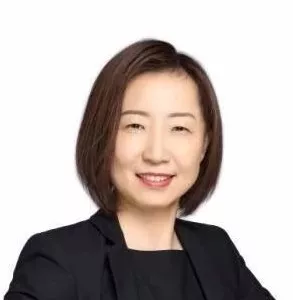
Kejian Zhang
Professor, Cincinnati Children's Hospital
Molecular genetic diagnosis
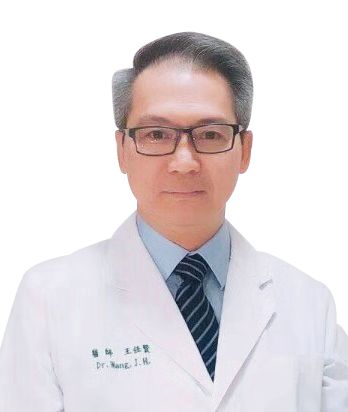
Wang Jen-hsien
Visiting Professor
Infection control for immunocompromised children
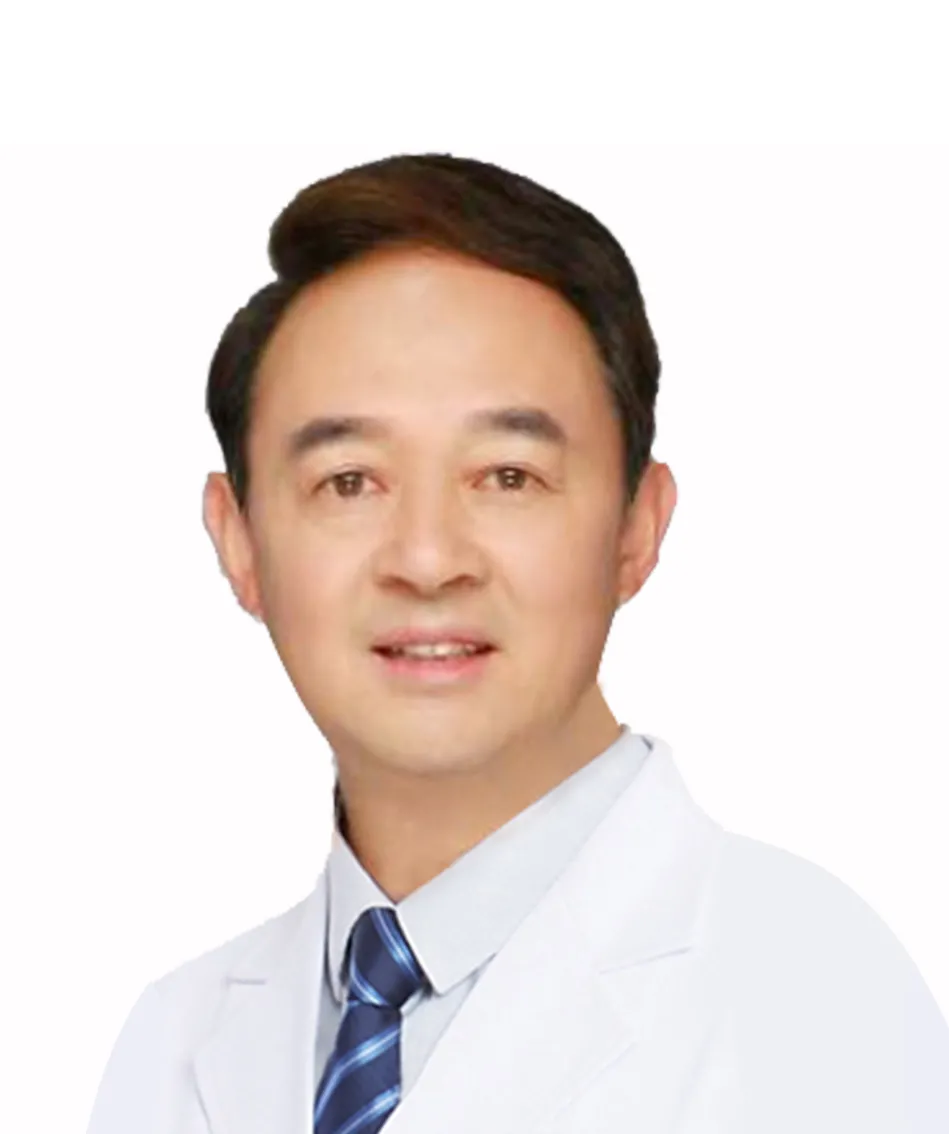
Xu Zhongwei
Visiting Professor
CAR-T cell therapy
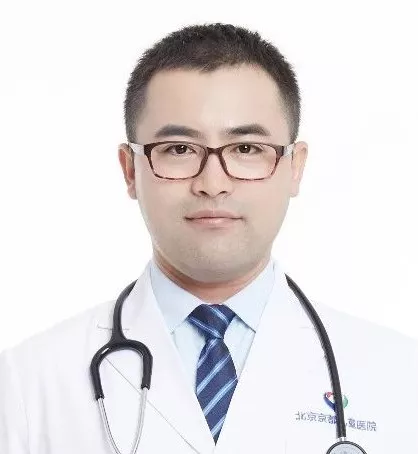
Liu Zhouyang
Head of Ward 8
Transplant ward · 1,000+ transplants
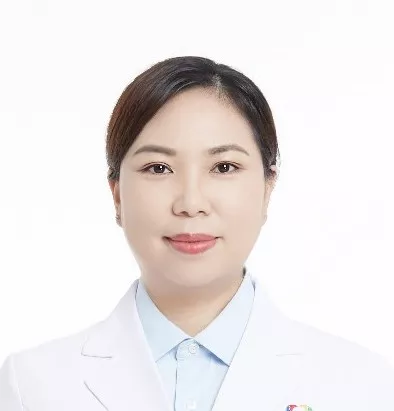
Xiao Juan
MD · Hematology
Leukemia, lymphoma and aplastic anaemia
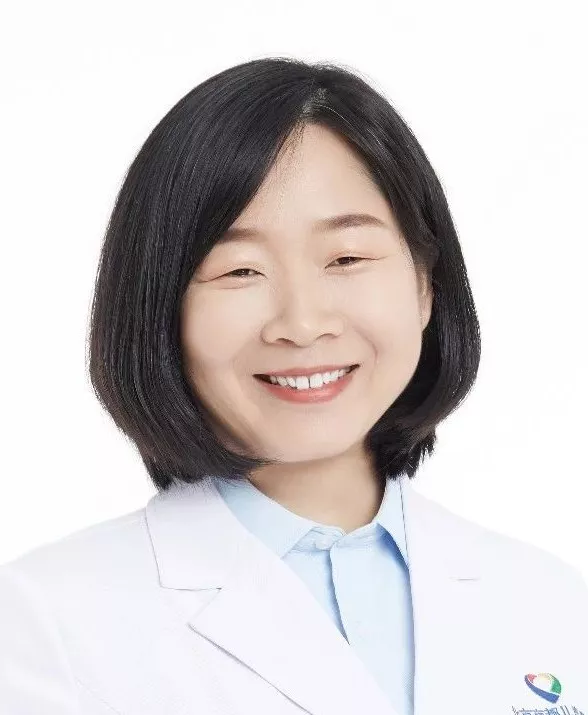
Liu Hongyan
Head of Blood & Solid Tumour
Solid tumours and palliative care
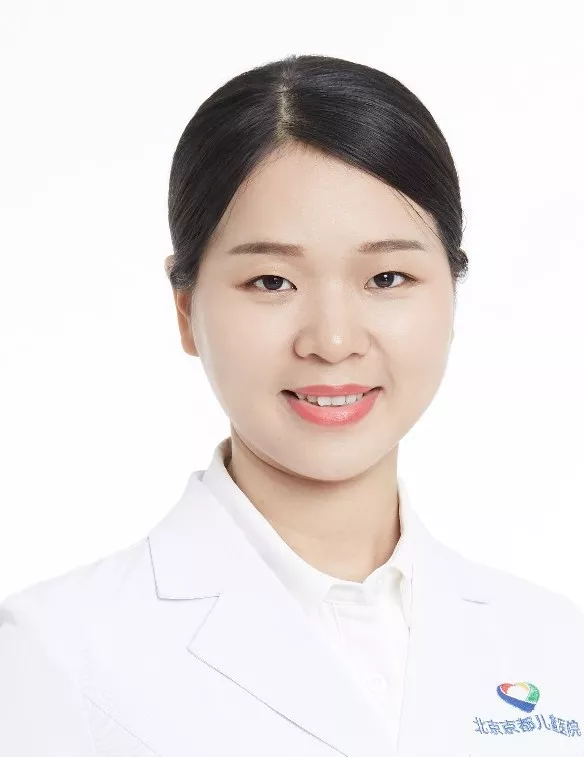
Chen Jiao
Deputy Head, International Medical Department
Infant transplants and fertility protection
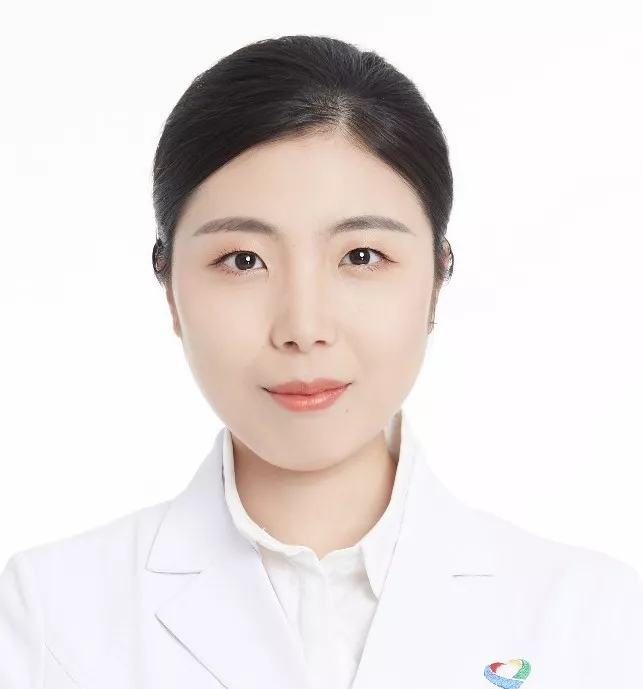
Jiang Fan
Associate Chief Physician
Hematology and traditional Chinese medicine
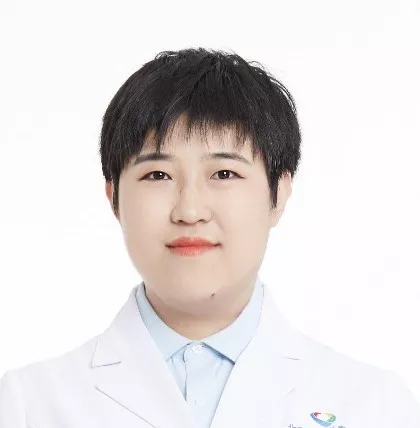
Fan Shifen
Attending Physician
HLH and chronic active EBV · 300+ transplants