At a Glance
- Patient: Xiao An (alias), 8-year-old boy from Argentina
- Diagnosis: WAS Syndrome → MDS → AML (myeloid leukemia)
- Prior treatment: Two failed transplants in Argentina; told no third transplant possible
- Key challenge: Zero neutrophils, severe intestinal damage, ICU multiple times
- Treatment at Jingdu: Father-donor haploidentical HSCT with individualized bridge therapy
- Result: Complete remission, stable chimerism, fully cured
- Team: Prof. Sun Yuan, Dr. Liu Zhouyang, Dr. Chen Jiao
- Travel distance: ~30,000 km (Argentina → Beijing)
A Beginning in the Southern Hemisphere: ICU at Two Months Old
Xiao An was born on July 13, 2017, in Argentina. His parents ran a supermarket there, and life was quiet and steady — until it wasn't.
Within the first month, Xiao An began running persistent fevers and diarrhea. A bone marrow aspiration at a local hospital diagnosed meningitis. But his blood counts were abnormal, and with limited local resources, he was urgently transferred to the Italian Hospital in Buenos Aires.
"The moment we walked in, the doctor said his complexion was terrible — severely anemic," his mother recalled. Xiao An was admitted directly to the ICU for blood transfusions and emergency resuscitation. After a long diagnostic journey, they finally got the answer: WAS syndrome (Wiskott-Aldrich Syndrome), a rare primary immunodeficiency disorder.
There is only one curative treatment: hematopoietic stem cell transplantation.
Two Failed Transplants — and Then Things Got Worse
At age two, Xiao An underwent his first transplant. It failed. The cause: cytomegalovirus (CMV) infection — the local hospital lacked routine CMV prophylaxis protocols.
A year later, doctors attempted a second transplant using leftover donor stem cells. It failed again.
"We do not perform third transplants — the risk is too high."
After two failures, Xiao An was diagnosed with MDS (myelodysplastic syndrome), which then progressed to myeloid leukemia (AML). Every Monday, he went to the hospital for platelet transfusions. No transplant. No targeted therapy. Just waiting — and a body growing weaker by the day.
"He was hospitalized for a year and a half without discharge," his mother said. "The intestinal problems kept coming back. So many people told me to give up — 'healthcare is free here, just let him be.'"
But she couldn't. She wouldn't.
Hitting Rock Bottom — and Finding Light on Douyin
By October 2025, Xiao An's condition had deteriorated critically. His whole body was in pain. His platelet count was near zero. No medication worked. Doctors prescribed venetoclax — which triggered severe intestinal infection.
Hematochezia. Shock. ICU. Another critical notice.
"The doctors told me there was nothing more they could do — I could only wait and accompany him through his remaining days."
She couldn't accept that. She began searching Douyin — "WAS syndrome," "immunodeficiency transplant" — scrolling through video after video. Then she found Dr. Chen Jiao's account. The successful cases she saw were like a beam of light cutting through the darkness.
She sent Dr. Chen a private message.
"I never expected her to actually reply. I sent all of Xiao An's records, and she said — 'There is still hope. You can bring him here. We have treated children who received a third transplant, and their outcomes have been excellent.'"
Standing in the ICU corridor, she broke down in tears — her hands trembling uncontrollably.
The Journey: 30,000 km for a Last Hope
Getting to China was anything but simple. Argentine regulations required a "fit-to-fly" certificate from the child's doctor. Xiao An's attending physician refused — he feared the boy would die on the plane.
But his mother would not be deterred. She enlisted the local China Assistance Center and embassy. Dr. Chen Jiao held a late-night remote consultation with the Argentine doctors, detailing the viability of the Beijing haploidentical transplant protocol. Eventually, the doctor relented and signed the certificate.
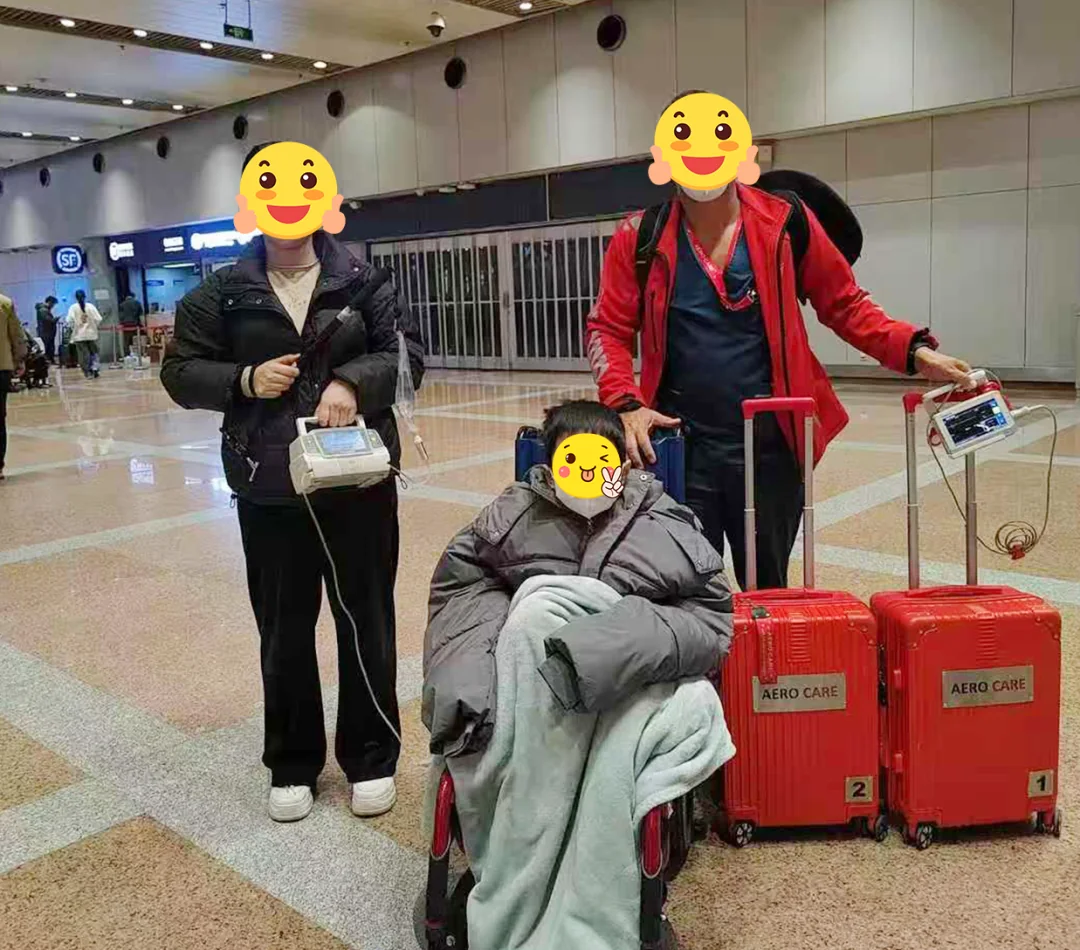
She also hired a private onboard physician at significant personal expense to safeguard Xiao An throughout the flight.
On December 21, 2025, Xiao An, his family, and the escort physician landed in Beijing.
"Like a Flickering Lamp About to Go Out"
"His complexion was ashen, without the slightest spark of life. When I spoke to him, he didn't respond at all. He wouldn't eat, wouldn't move — just lay there. He was like a lamp about to go out."
The test results were alarming: severely damaged intestines, chronic hematochezia causing severe malnutrition, lingering leukemia cells. Xiao An had not eaten real food in a long time — he survived entirely on IV fluids.
Under the leadership of Prof. Sun Yuan (Dean) and Dr. Liu Zhouyang (Department Director), Dr. Chen Jiao's team developed a personalized treatment plan: father-donor haploidentical transplant. But there was a complication — Xiao An's father couldn't return from Argentina immediately due to work, and the boy's absolute neutrophil count was zero. He had virtually no immune defense.
The Bridge-to-Transplant Strategy:
- Opened a green channel to admit Xiao An into a transplant unit for protective isolation
- Intestinal conditioning and infection control during the waiting period
- A round of individualized low-intensity chemotherapy
- Nutritional rehabilitation — starting from nothing
The Miracle Began With a Bowl of Rice Porridge
Rice water. Rice paste. Then with milk. One small spoonful at a time, slowly increasing. His mother fed him like a newborn — spoon by spoon, day by day.
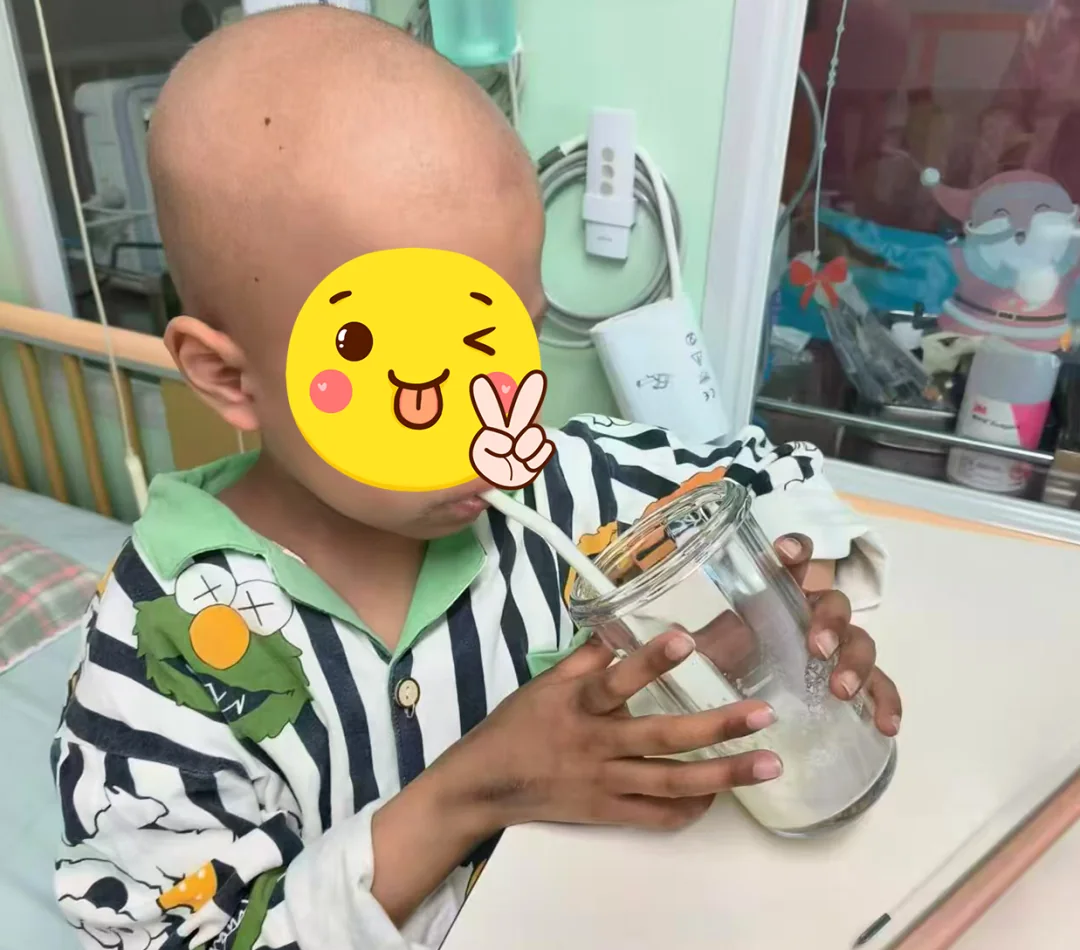
Then the miracle: Xiao An began asking for food on his own. He could sit up. He could even stand at the bedside.
When his father finally returned from Argentina and saw him: "The child's entire spirit — his whole presence — was completely different!"
His mother was even more certain: "That was the moment I knew — coming back was the right decision."
The Transplant: Third Time's the Charm
In early 2026, the transplant proceeded. Pre-conditioning, stem cell infusion, anti-infection protocols — every step went according to plan.
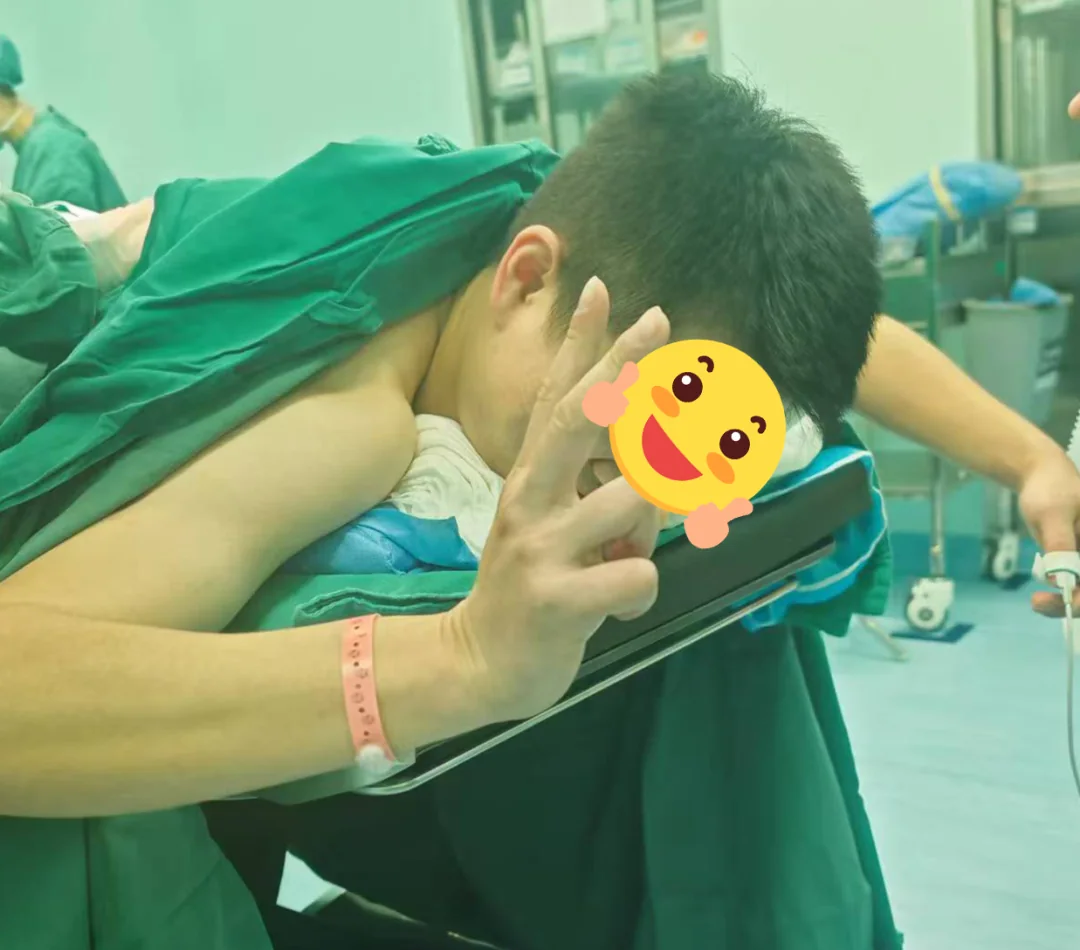
The transplant was smoother than expected. No severe complications. No uncontrollable infections. Near the end of the isolation period, Xiao An developed acute skin and intestinal GVHD — but the team had anticipated it. With preventive measures and timely intervention, it was controlled within two weeks.
"After everything we've been through over all these years, a little GVHD really doesn't mean much to me anymore."
What truly moved her to tears was the first bowl of rice porridge Xiao An finished after the transplant. "He hadn't eaten in so, so long — the hematochezia was too severe, so they kept him NPO for ages. That day, when he finished that small bowl, I wept with joy."
A Rebirth: From "Silent" to "Chatterbox"
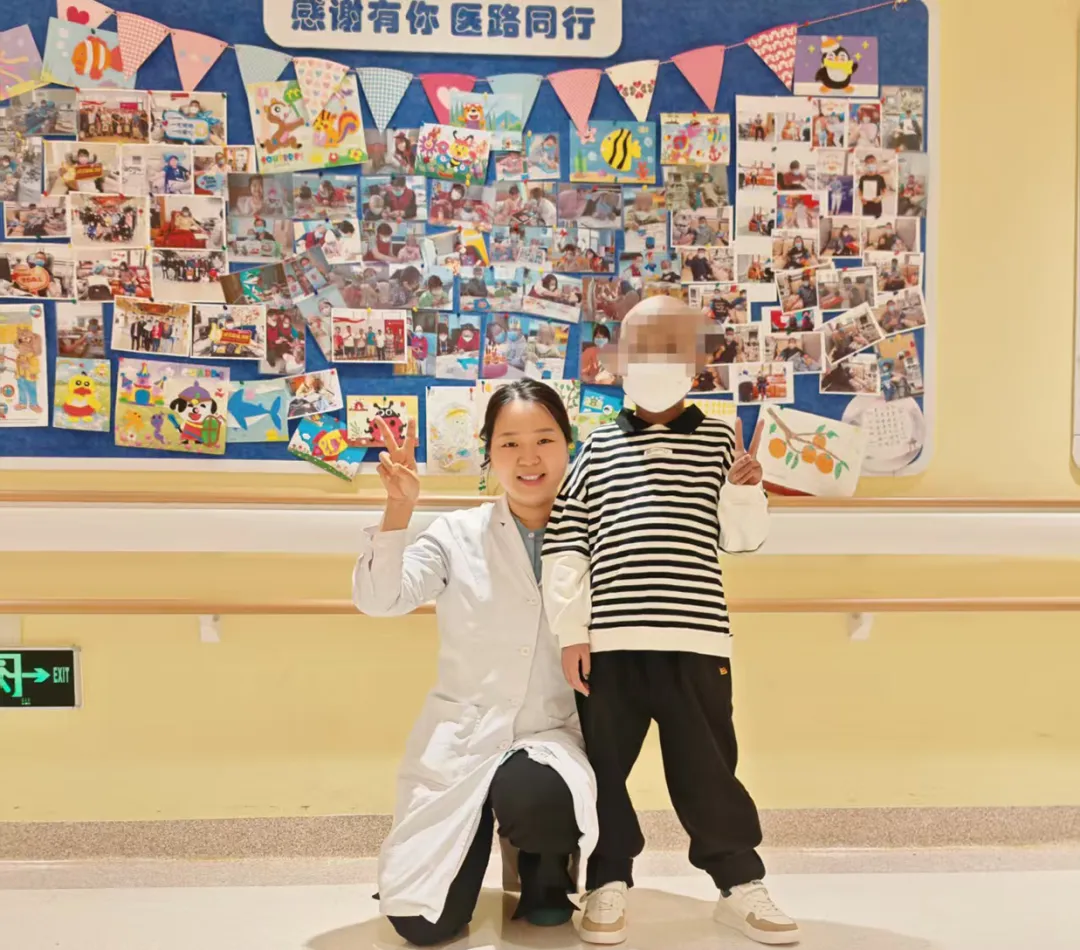
Once out of the transplant unit, Xiao An seemed like a different person.
"He never used to talk or even make eye contact — he just stayed shut inside himself. Now? Now he won't stop talking. Every time Dr. Chen does her rounds, he has to tell her all about his toys."
His complexion turned from ashen gray to rosy. He gained weight. His energy surged. He even started being mischievous — the most ordinary, most precious sign of a child getting better.
"He's completely like a normal kid now. WAS syndrome is rare, but with timely transplant, the prognosis is excellent. I hope other parents won't delay the way we did. The earlier the treatment, the sooner your child can live like any other child."
"Without Her, My Son Wouldn't Be Standing Here"
"I really cannot thank Dr. Chen Jiao enough. In Argentina, the doctors told me to just wait for my child to slowly fade away... It was Dr. Chen who told me there was still a thread of hope. At that time, my child was still in the ICU — I was in complete despair. But the moment she said she could treat him, the whole sky lit up for me."
"I don't even know how to put it into words. Without her, my son could not possibly be standing here in front of me, healthy and alive."
Timeline: An Eight-and-a-Half-Year Journey
"Don't Give Up. Hope is Still There."
From the Southern Hemisphere to the Northern Hemisphere. From two failed transplants to a triumphant third. From the ICU to a transplant unit, from gray-faced silence to rosy-cheeked chatter. Xiao An and his mother walked the hardest road imaginable — for eight and a half years.
"I want to tell every parent still fighting — do not give up. As long as you believe, hope is still there. Chinese doctors can truly work miracles. We're not planning to return to Argentina anytime soon. We feel safer staying in China."
From desperation to rebirth. From a mother who never let go, to a medical team that never gave up. This story belongs to everyone who refused to surrender.
Considering Pediatric HSCT in China?
Beijing Jingdu Children's Hospital — Asia's largest pediatric transplant center — has performed over 900 HSCTs, including many complex third-transplant cases. Haploidentical transplants (parent-to-child) are a core strength.
Book a Consultation