Inside the transplant chamber at Beijing Jingdu Children's Hospital, 14-year-old Mingming (pseudonym) lay quietly on a laminar flow bed. His small frame was swallowed by an oversized hospital gown, and the IV lines of different colors connected to the catheter in his arm were among the most familiar sights he had known since early childhood.
In 2017, while other children were running and playing in the fields, his life path was completely changed by a rare disease. Now, in the transplant chamber at Beijing Jingdu Children's Hospital, healthy hematopoietic stem cells were slowly flowing into his body—his only hope for a new life.
Outside the chamber, his family; inside, his older sister. With hands clasped and eyes wet, they had waited eight long years for this moment.
A Childhood Stolen by a Rare Disease
In May 2025, Dr. Chen Jiao, Director of the Hematology and Oncology Department, met Mingming for the first time at the outpatient clinic of Beijing Jingdu Children's Hospital.
The teenager was extraordinarily thin. At 14 years old, he weighed only 16 kilograms. His father carried a thick stack of medical records spanning eight years of visits to hospitals in Kunming, Shanghai, and Chongqing.
Born in 2011 in an ordinary family in Yunnan, Mingming had been closely connected to hospitals for as long as he could remember. Recurrent colds and diarrhea became routine for the family. At first, they thought he simply had a weak constitution. Then in 2016, his abdomen became unusually swollen, and severe diarrhea caused him to grow thinner by the day.
In 2017, Mingming was diagnosed with X-linked agammaglobulinemia in Kunming—a rare primary immunodeficiency disease. His body could hardly produce antibodies to fight infection, and he required expensive monthly immunoglobulin infusions. Every month, his father would take him from their mountain village in Zhaotong, travel six hours by car to Kunming, stay overnight for the infusion, and return the next day. This journey continued for four to five years, placing a heavy burden on the already struggling rural family.
"We spent all our savings and borrowed more than 200,000 yuan from relatives and friends. But his condition didn't improve as we hoped. Still, even if it is hard, Mingming is our child, our life. How could we give up?"
After 2021, Mingming developed severe intestinal malabsorption. Whatever he ate, he could not retain. Facing his increasingly frail son, the family began traveling even farther. In Shanghai, doctors recommended continued conservative treatment. In Chongqing, doctors performed comprehensive examinations to find why his body could not absorb immunoglobulin, but no conclusion was reached. In 2024, after half a year of treatment in Kunming without improvement, the local doctor honestly advised them: "Consider a transplant. It is currently the only curative option."
At that moment, a fellow patient who had completed a transplant at Beijing Jingdu Children's Hospital returned to Kunming for a follow-up visit. "Go to Beijing and try," the recommendation gave the family a final ray of hope. They finally arrived at Beijing Jingdu Children's Hospital.
"The child was too thin. It broke my heart." That was Dr. Chen Jiao's first impression.
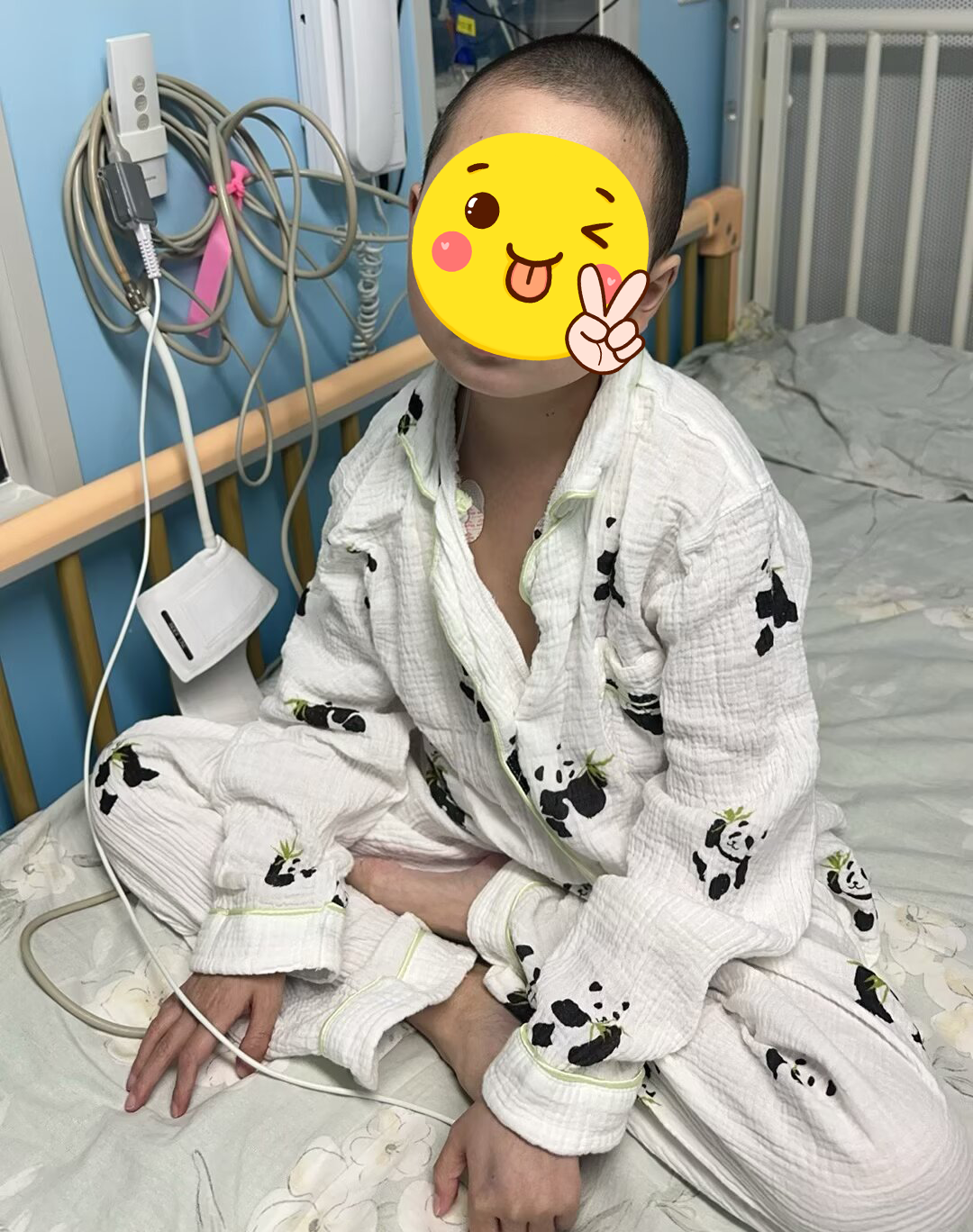
Mingming during his time in the transplant unit, receiving life-saving stem cell therapy.
Hope and Disappointment in the Wait
"Under the leadership of President Sun Yuan and Director Liu Zhouyang, we conducted a comprehensive and detailed evaluation of Mingming's condition. The result showed that he needed a hematopoietic stem cell transplant as soon as possible. However, all family members were only half-matched," Dr. Chen recalled. "We ultimately decided to search for a fully matched donor through the China Marrow Donor Program. But the search process was full of setbacks."
The first successful match failed because the donor did not pass the medical examination. The second successful match brought the same disappointment.
"That period was the most agonizing," Dr. Chen recalled. "The child's physical condition could not wait, but finding a suitable donor requires fate and patience."
When the third successful match came, Dr. Chen carefully reviewed all the donor's medical records. "This time, no problem! All indicators fully meet the requirements!" She finally gave the green light: prepare for transplant.
Once the transplant was scheduled, a difficult decision faced the family: who would go to Beijing to accompany Mingming? His older sister, still in university, barely hesitated. Softly but firmly, she said, "I'll go." Behind that decision was a silent weighing of responsibilities. She knew her parents needed to raise the astronomical medical fees at home, while her brother needed someone by his side every step of the way. School could be paused; her brother's life could not.
As she packed, her younger brother looked up at her with his pale little face, anxiety but also dependence in his eyes. "Sister, aren't you going to school anymore?" She hid all her worries in her gaze and left only a warm smile. "Yes, temporarily. When you get better, we'll go back together."
This sentence was a promise, and also a vow she made to herself: she would bring her healthy brother home.
Before entering the transplant chamber, Dr. Chen sat with them and laid out every possible risk: infection, graft-versus-host disease, the long recovery period... Each word weighed heavily. The sister's forced composure gradually crumbled, and tears silently rolled down her cheeks. At that moment, a warm hand gently rested on her trembling shoulder. Dr. Chen's voice was gentle but firm: "Don't be afraid. Let's work hard together. Mingming is very strong, and we will never give up."
In that moment, she felt not only a physician's professional judgment, but also the support of an elder who saw through her fear and burden, giving her the most solid reassurance. That gentle pat dispelled much of her loneliness and anxiety, letting the family know they were not walking this difficult road alone.
The Road to Rebirth: "Am I Handsome Now or Before?"
In August 2025, Mingming entered the transplant chamber. During the transplant, "steady" became Dr. Chen's most frequently spoken word, and also a secret signal between brother and sister.
Whenever Mingming felt down because of treatment discomfort, his sister would make the "steady" gesture. Seeing this gesture, the boy who had lived with illness since childhood would actively cooperate with treatment and nursing even during the most difficult phase of the transplant.
"For children with immunodeficiency undergoing transplant, the risks of infection and the complexity of immune reconstitution are higher. Post-transplant management requires more precise care. During immune reconstitution, infection prevention, and every other stage, there are different challenges," Dr. Chen said. "Director Liu Zhouyang and I checked on him every day, dynamically adjusting anti-infection, immunosuppression, and nutritional support plans based on his daily blood counts, temperature, and physical signs."
In January 2026, under the professional treatment of the doctors, the careful care of the nurses, and his sister's meticulous attention, Mingming successfully left the transplant chamber.
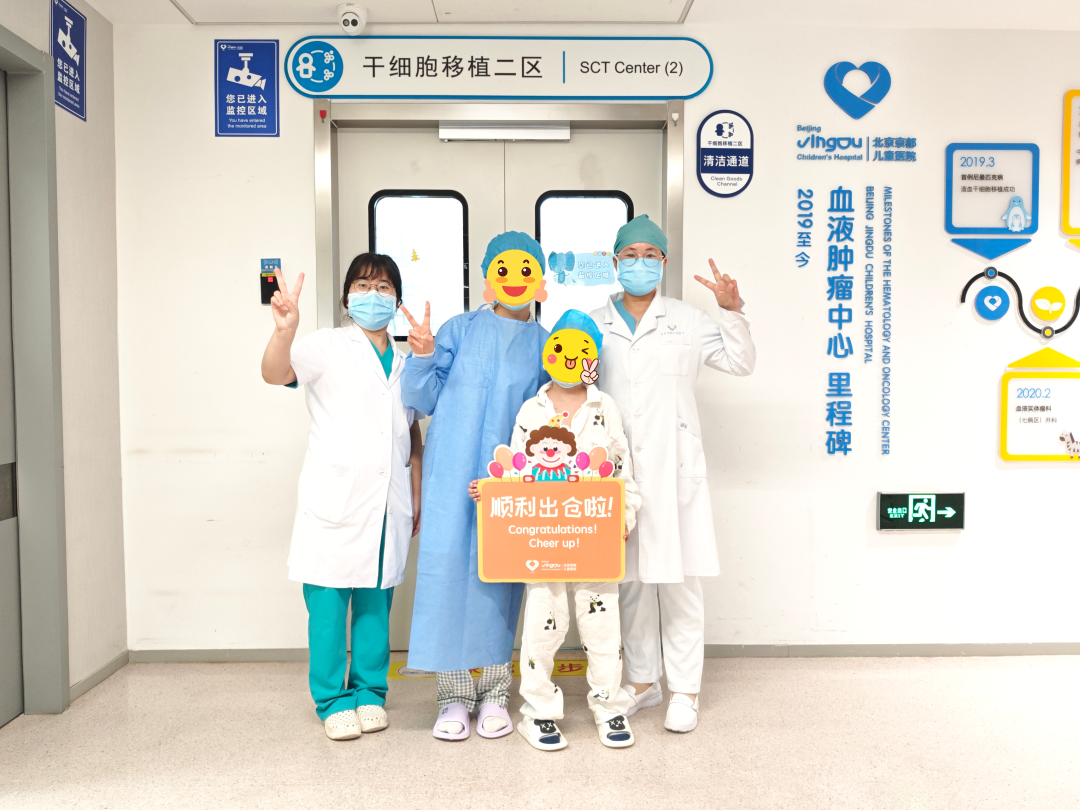
Mingming and the medical team celebrate his successful discharge from the transplant unit.
Five months after the transplant, when Mingming returned for a follow-up, his cheeks had a healthy curve, and his arms were no longer as thin as bamboo. The scale showed 26 kilograms—10 kilograms more than when he was admitted.
"Auntie, am I fat?" Mingming asked a little shyly.
"This is healthy weight," Dr. Chen replied with a smile. "You look very energetic now."
The changes were subtle but profound. Mingming was more lively and cheerful than before, and he talked more. He often asked his sister, "Sister, am I more handsome now or before?" His sister looked at him gently. "Both. Very handsome, very cute."
This answer made him smile—a long-lost, youthful smile unshadowed by illness.
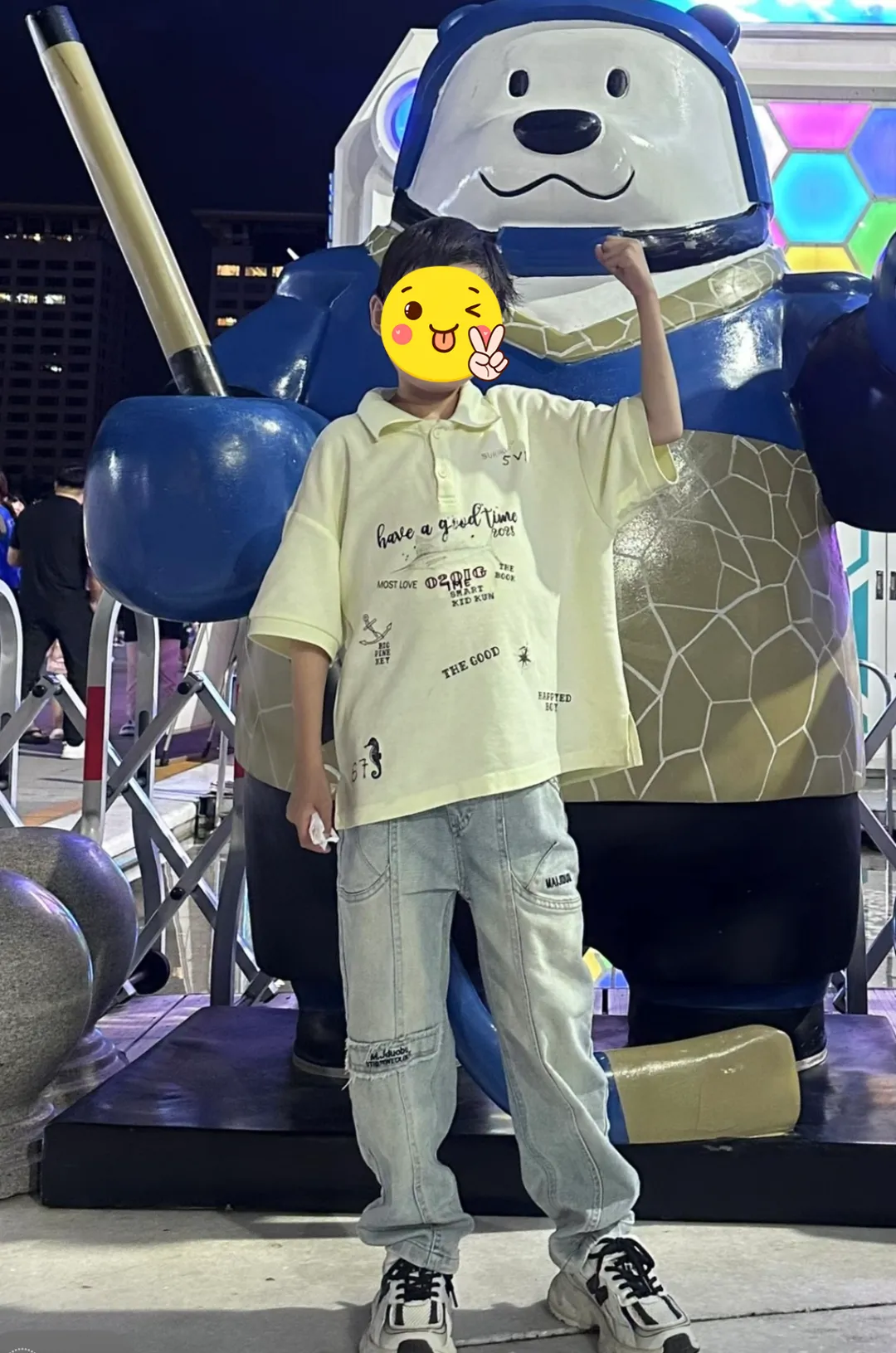
Mingming outdoors during recovery, showing renewed strength and confidence.
Warmth as a Torch, Moving Toward the Sun
Mingming's treatment journey was also a relay of love. In addition to the professional treatment by the medical staff, he received help from all sectors of society and fellow patient families.
"During treatment, we felt so much goodness. The kindness of strangers and the helping hands of those around us were like stars lighting up our journey," his sister said. "My brother said that in the future, he will also be a person who helps others, turning the warmth he received into motivation to move forward."
In the wards of the Hematology and Oncology Department at Beijing Jingdu Children's Hospital, stories like Mingming's happen every day. Dr. Chen said, "Children with immunodeficiency are like soldiers without armor. Our task is to help them rebuild their immune system so they can bravely face the world. And Mingming has already put on his 'armor,' ready to welcome his true adolescence. The eight-year battle for life has finally seen the dawn of victory."
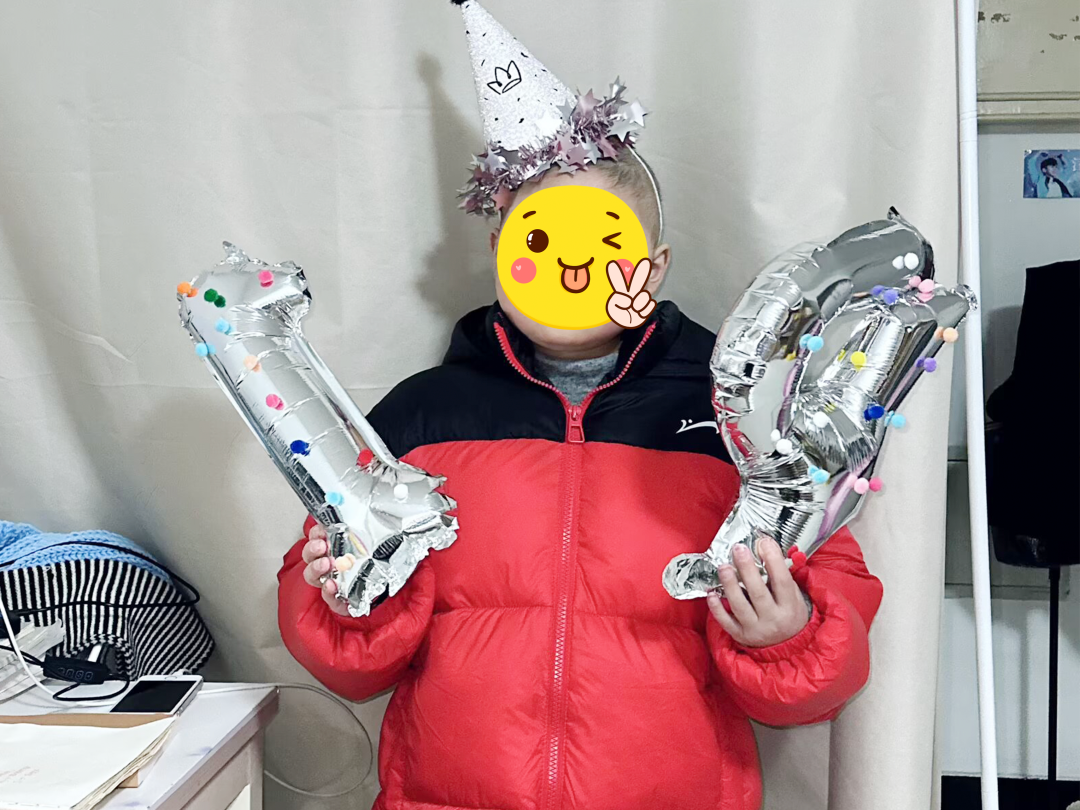
Mingming celebrates a milestone birthday during his recovery journey.
Life is sometimes fragile enough to break one's heart, but also resilient beyond imagination. With professional medical care and an unwavering belief in never giving up, even the hardest road can lead to light. This is the warmth of medicine—not only curing disease, but also restoring hope for life.
About the Hematology & Oncology Department
The Hematology and Oncology Department at Beijing Jingdu Children's Hospital is one of the hospital's key disciplines. Led by renowned pediatric hematology experts including Professor Wu Minyuan, a State Council-recognized expert with special contributions, and Professor Sun Yuan, President of Beijing Jingdu Children's Hospital and Director of the Hematology and Oncology Department, the department is recognized as:
- A Beijing Basic Medical Insurance designated pediatric hematopoietic stem cell transplant institution
- A registered collection and transplant hospital of the China Marrow Donor Program
- The leading unit of national multicenter collaborative groups for hematopoietic stem cell transplantation in pediatric hemophagocytic lymphohistiocytosis (HLH) and autologous cord blood therapy for acquired aplastic anemia
The department includes Ward 7 (solid tumor ward), Ward 8 (transplant ward), Ward 9 (hematology ward), the International Department, two transplant units, a central laboratory, hematology outpatient clinic, PICC clinic, and a comfort care treatment room, totaling 150 beds and 19 Class-100 transplant chambers.
With extensive experience in diagnosing and treating leukemias, lymphomas, hemophagocytic lymphohistiocytosis, chronic active EBV infection, bone marrow failure diseases, primary immunodeficiencies, genetic metabolic diseases, and various solid tumors, the department has completed more than 900 hematopoietic stem cell transplants since its establishment, performing approximately 100 transplants annually.
Considering Pediatric Immunodeficiency Treatment?
Our international patient team can help coordinate consultations, donor matching guidance, and comprehensive care for children with primary immunodeficiencies.
Request a Consultation